WATCH OR LISTEN ON-DEMAND
With Insight Platforms
- podcast
- Artificial Intelligence
- Accessible Research
- Online Surveys
- Online Qualitative
- Behavioural Insights


LISTEN TO THE PODCAST
A global citizen’s guide to cross-cultural research: Pratik Sharma on Germany, Asia, and adapting insights work worldwide.
What does it really mean to be a “global citizen” in insights?
In this episode of Insights from Elsewhere, Cynthia Portugal talks with Pratik Sharma, co-founder of Opsonomy. He was born in India and has spent the last 20 years living in Germany while working across Europe, the US, and APAC.
Pratik shares what he learned moving between cultures: how language, punctuality, communication styles, and business norms change from market to market, and why assumptions that “what works in the US will work anywhere” often fail.
They also explore how localization impacts research quality (from survey translation to cultural context), and where AI helps, or misleads, when it’s trained on predominantly Western examples.
Episode Highlights:
- Why Pratik calls himself a “global citizen” and what moving from India to Germany taught him about culture and work
- How small cultural cues (punctuality, directness, formality, “do’s and don’ts”) shape client relationships and project delivery
- The myth of “copy-paste research”: why methods, language, and expectations don’t transfer cleanly across markets
- Localization in practice: translation vs “tropicalization,” cultural references, and avoiding questions that can derail a study
- AI and bias: why large language models can feel “off” outside Western contexts and how that may change as inputs diversify
- Advice for newcomers: be bold, experiment, learn globally, and challenge established assumptions
About the Guest
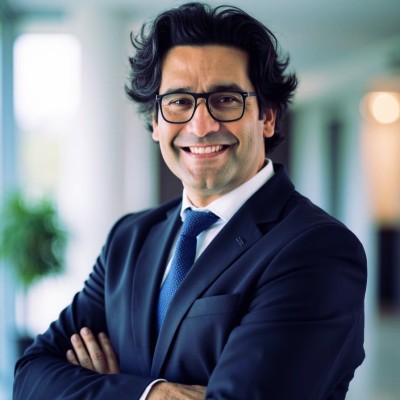
Pratik Sharma is the co-founder of Opsonomy, a consultancy focused on unlocking growth opportunities and improving efficiency across company ecosystems.
Born in India and based in Germany for the past two decades, Pratik has worked with global research and business teams across Europe, the United States, and APAC.
His experience spans cross-cultural project delivery, client management across markets, and practical guidance on adapting research approaches to local realities.