
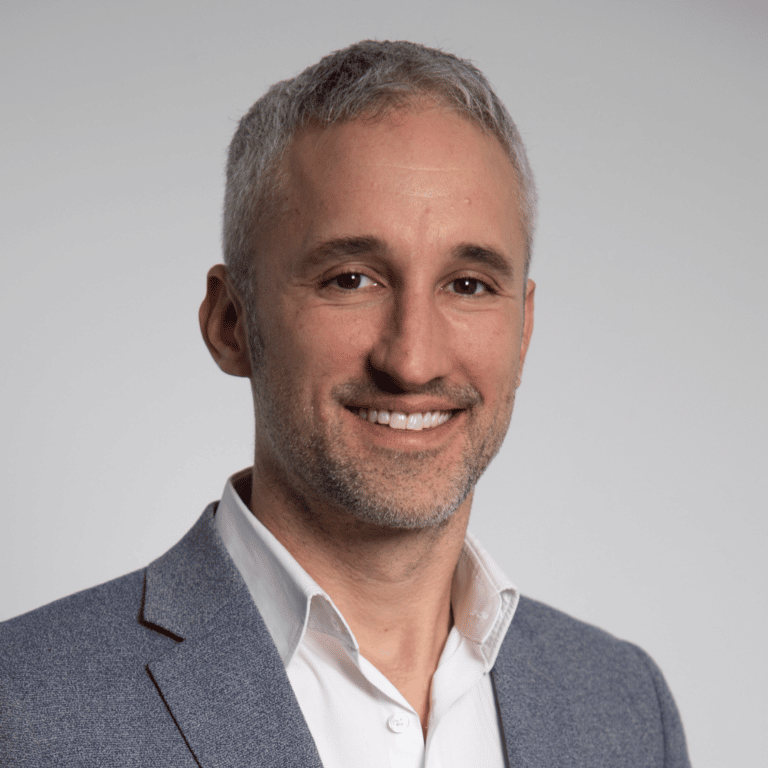
Tom Woodnutt
Tom is the founder of insight & strategy collective Feeling Mutual. He is a leading expert in global, online and mobile qualitative research.

November 10 @ 5:00 pm – 5:40 pm GMT

We have been treating AI as a single thing with a polarised verdict: threat or tool? It is neither. It is a relationship. And like every relationship in nature, sustainability requires a negotiation of mutual value.
This presentation uses a forest ecosystem as a framework for diagnosing what is happening to our industry. Client budgets are the sun. Procurement is the atmosphere, refracting light before it reaches the canopy. Participants are the water, increasingly contaminated by fraud and incentive pressure. Accumulated research is the soil (when recycled, a potentially a rich source of life). And AI is the mycelium: a vast networked intelligence, already threading through our root systems, capable of feeding the forest or consuming it from below. We draw on different examples of how the relationship can be symbiotic or parasitic – arguing that we need to put our energies into making it mutually beneficial.
It draws on case studies from Feeling Mutual’s own practice. Re-analysing past qualitative data against new briefs using Coloop for PureGym. Building a strategic thinking partner and digital twins in Claude, trained on primary research for Amazon Books. Using AI to help make sense of complex multi-billion dollar overseas investment strategy for Diriyah Company – which augment AI analysis of 80 international investor depth interviews.
It closes with six recommendations for how qualitative researchers can move from seeing AI as an apex predator, competing for scarce budgets, and instead positively adapt towards symbiosis. Resisting parasitic drift, feeding the soil deliberately, cultivating the niches platforms cannot reach. And taking responsibility for whether the spores of insights actually germinate.
This is not a talk about whether AI is good or bad for research. It is a map of the ecosystem we are now living in. And a practical argument for how to not just survive, but to thrive.