
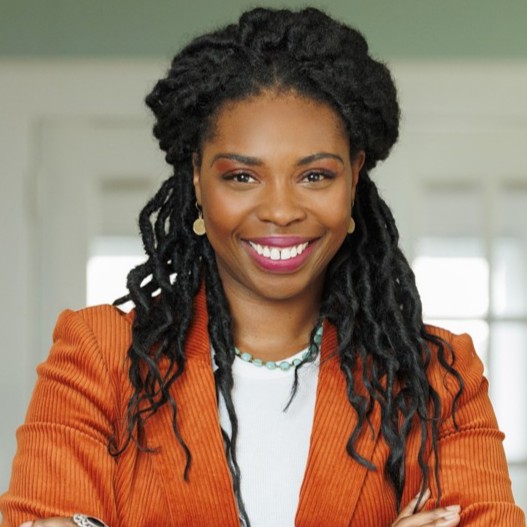
Kai K. Fuentes
Kai K. Fuentes founded Ebony Marketing Systems to address lack of multicultural research agencies in the growth of multicultural markets.



Qualitative interview questions can be designed to give participants more room to tell their stories. Kai K. Fuentes of Ebony Marketing Systems shares a less-is-more approach to moderator guides, pauses and probing.
Drawing on a maternal nutrition research project, and her experience as a multicultural researcher, Kai explains how a small number of focused questions can support a more conversational approach to qualitative research.
Designing a shorter moderator guide
Kai sets out her argument for using fewer, well-designed questions. She discusses potential benefits for focus, participant fatigue, depth and flexibility, based on her experience.
A maternal nutrition research example
Kai describes a project involving Black mothers and breastfeeding, in which her team reduced a guide of around 60 questions, to five. She explains how questions following the mothers’ journeys helped structure the conversations.
Breaking up double-barrelled questions
Using remote working as an example, Kai shows how a question about enjoyment and productivity can be separated. She suggests listening for what participants raise naturally before deciding what to probe.
Giving participants time to think
A conversation with a new mother led to reconsidering the length of her guide, and the value of silence. Kai describes giving a participant time to process, and using a nine-second pause in her moderation.
Choosing hard and soft probes
Kai distinguishes direct prompts, such as asking for a specific example, from softer listening cues. She describes using soft probes to build comfort early in a conversation, and more direct probes later.
The moderator’s role in the conversation
Comparing moderators to referees, Kai encourages researchers to facilitate rather than over-direct. She discusses calm presence and allowing participants to share their own journeys.
Kai K. Fuentes is a qualitative and multicultural researcher with more than three decades of experience. She founded Ebony Marketing Systems to address a lack of multicultural research agencies and describes using culturally fluent teams in its projects.
Speaker